If I Eat Leftovers From When I Was Sick Will I Get Sick Again
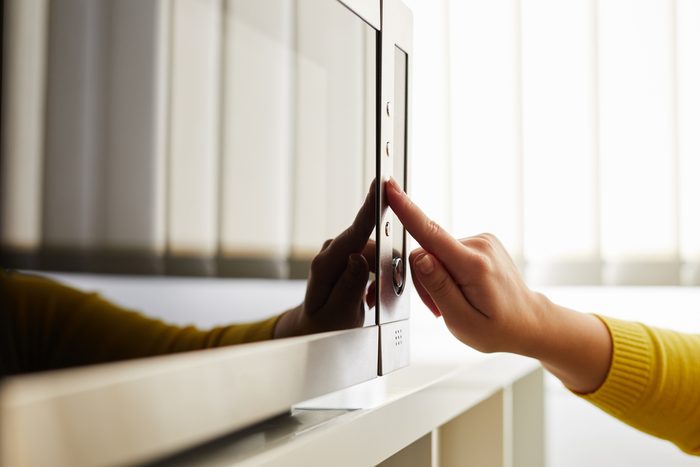
The just affair better than sitting down to a home-made meal is enjoying it again the side by side day. Merely even the yummiest leftovers can pose a danger. Keep reading to see how 11 leftovers tin can make you ill.
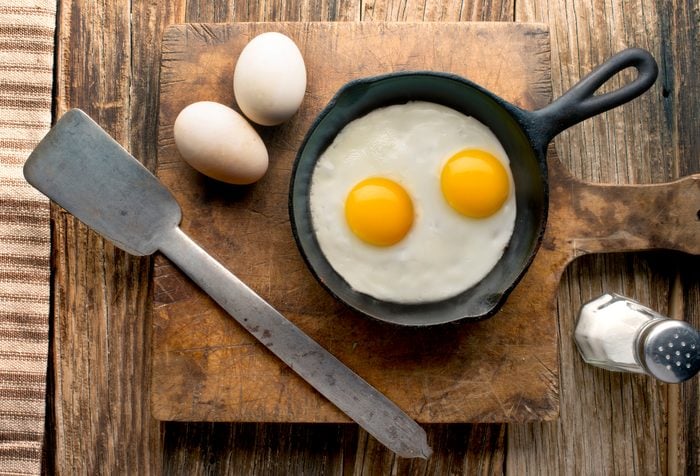
Eggs
"Eggs nearly always contain salmonella," says Kantha Shelke, PhD, a food scientist and principal of Corvus Bluish LLC, a food science and inquiry business firm. Some methods used to cook eggs require gentle heat for a short duration of time, which may not kill the bacteria. (Whatsoever method that results in a runny yolk.) Leaving them at room temperature for any length of fourth dimension is a recipe for those bacteria to multiply to harmful levels. Plus, eggs always gustation better fresh and don't take too long to scramble, so they're probably not a food you want to save for later.
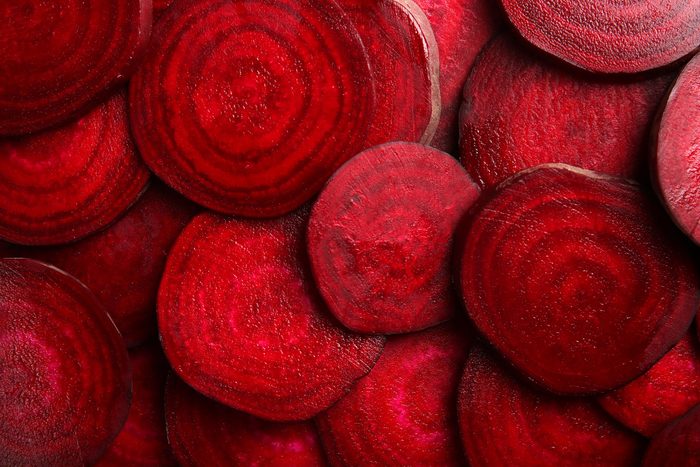
Beets
Inquiry, including a study published in 2012 in Sports Medicine, shows that the nitric oxide in beets can give your workout a boost and may assist claret pressure level. Only those aforementioned compounds react with heat badly. When nitrate-rich foods are cooked, "not cooled properly, and farther reheated, the nitrates can get converted to nitrites, and so to nitrosamines, some of which are known to be carcinogenic," Shelke says. So regularly eating reheated beets or beet products may not be a skillful idea. The same may be true of turnips, another nitrate-rich root veggie.
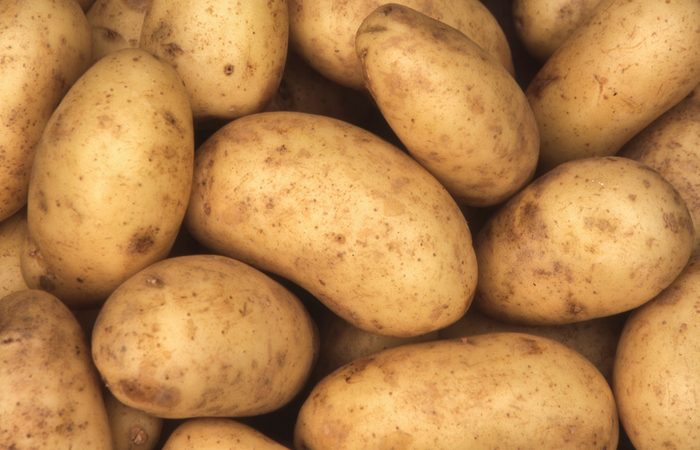
Potatoes
Spuds seem and then sturdy, only even though they're cooked hotter and longer than eggs, they tin can pose a risk when left to cool and stored at room temperature too long. Doing so can potentially foster the growth of Clostridium botulinum, the leaner that causes botulism, says Shelke. Large, foil-wrapped broiled potatoes are peculiarly at risk, she says, because they offer leaner the ideal low-oxygen environs to thrive in. That's not all: Potatoes are besides among the foods that you shouldn't reheat in a microwave. Zapping them (sans foil of grade) for 30 to 60 seconds doesn't kill the stuff that wreaks havoc on your GI system. Cooking a raw potato in the microwave, however, requires only a few minutes more. Go that route, instead. Here'south how to make certain you get the nigh nutritional benefits from your potatoes.
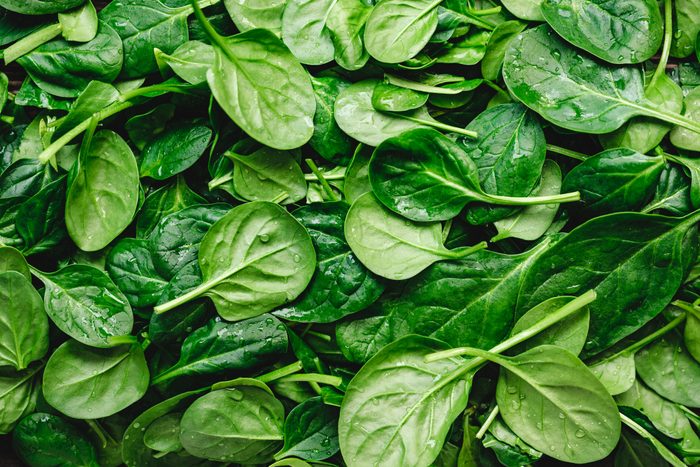
Spinach
Like beets, spinach is another nitrate-rich food that's often served cooked. To avoid converting nitrates in these leafy greens into potentially carcinogenic nitrosamines, you may want to serve your spinach raw (the ultimate time saver) or lightly sautéed. It's also important to annotation that nitrites, another byproduct of heating nitrate-rich foods, are not rubber for infants less than six months old, suggests enquiry, including a study published in 2022 in the journal Pediatric Inquiry. Spinach is ofttimes mixed with other foods in infant purees, so make sure you aren't heating them.
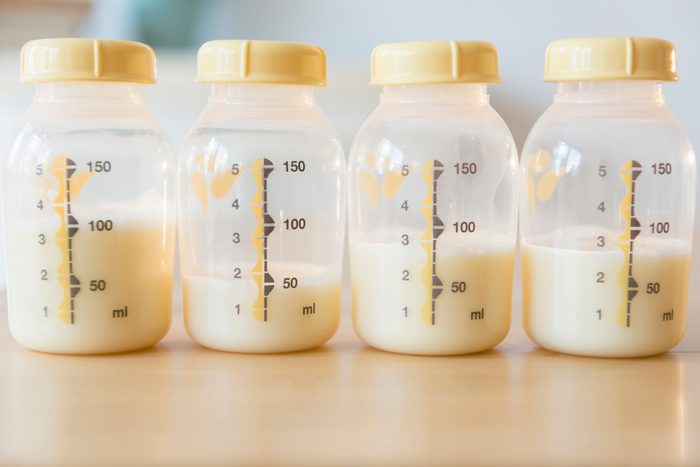
Breast milk
This all-natural substance is one of the healthiest things you can feed your baby—simply research, including a report published in 2022 in PLoS I, shows that warming up chest milk is a big no-no. "Babies contaminate the canteen when they suck and the milk can exist a convenance ground for the bacteria in the saliva," Shelke says. "Neither microwaving nor warming can impale these leaner which can cause distress to more than just the digestive organisation of the babe."
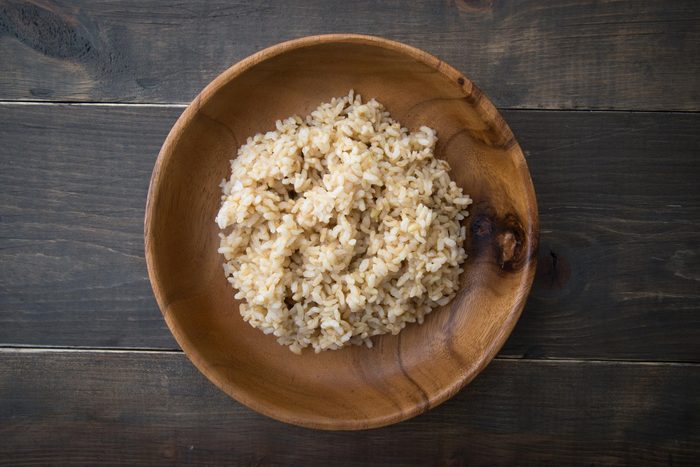
Rice
In the 1970s, a number of nutrient poisoning outbreaks associated with leftover rice led to increased awareness that rice harbors a microorganism chosen Bacillus cereus that multiplies at room temperature. That doesn't hateful you accept to chuck all your uneaten takeout—merely make certain you're stashing information technology in the refrigerator chop-chop. In general, nutrient safety guidelines recommend keeping foods hot (over 140°F) or cold (40°F or under) if you lot're not eating information technology within two hours.
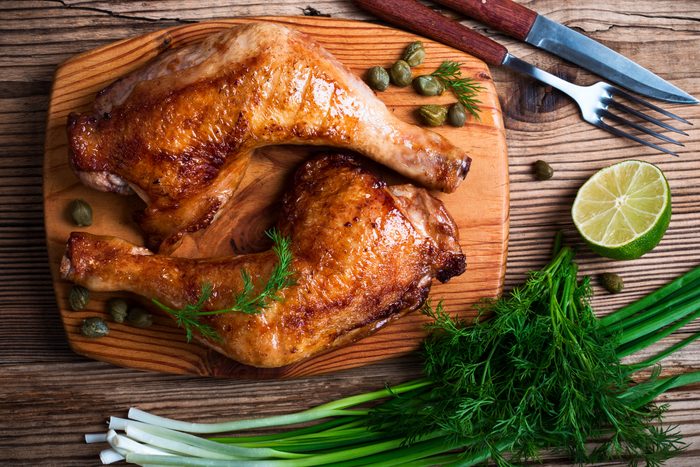
Craven
Like eggs, raw chicken tends to contain salmonella, and time plus low temps is a recipe for disaster every bit those bacteria multiply. The best way to avoid this: Make sure the internal temperature of your bird reaches 165 degrees. Microwaves don't always oestrus evenly or besides as other cooking methods, and so be sure to turn the meat. And don't reheat it more than once—at that place's ever craven salad!
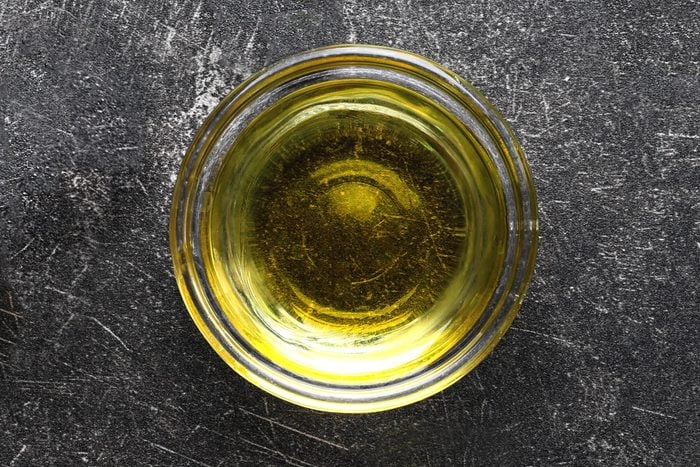
Common cold-pressed oils
Flaxseed oil, olive oil, canola oil, and other seed oils are rich in omega-3 fats and other unsaturated fats, which have a number of health benefits. Alas, they are also very sensitive to temperature. "Heating and reheating foods containing these oils tin can return them unstable and rancid and therefore, not safe," Shelke says. Find out the safest cooking oil for every type of repast.

Oily foods
Another reason to avoid reheating oily foods, like French fries? Reheating in, say, the microwave may crusade the oil to smoke past its safe level. When that happens it can produce hazardous fumes that are harmful to your health, suggests research, including a report published in 2012 in Food Chemical science. If you lot're going to reheat information technology, practice and so in the oven at a low temperature—or not at all.
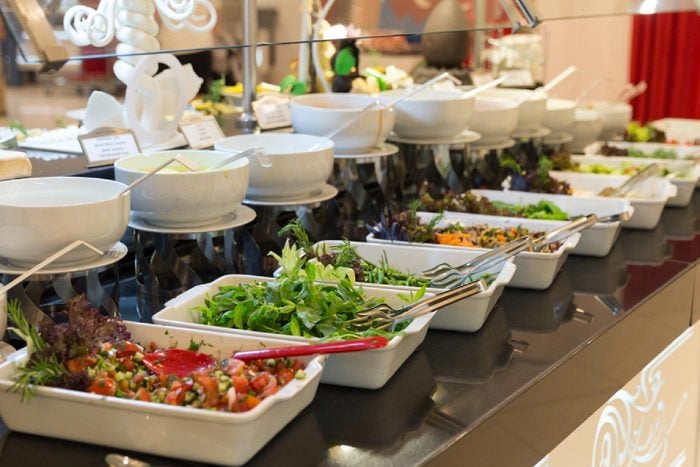
Cafe nutrient
At that place's a reason buffets don't allow you take nutrient to go, and information technology's non just because restaurants don't want to lose coin. Buffet trays aren't kept hot plenty to impale microbes, which tin abound to unhealthy amounts while they sit out, unrefrigerated, says Shelke. This goes for those all-you-tin-eat buffets at restaurants, as well equally at-home party buffets.
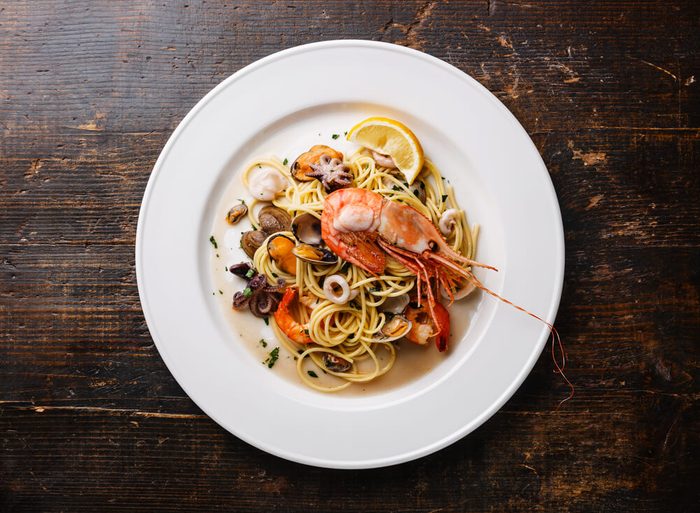
Seafood
Fresh fish is mega healthy and near of u.s. don't eat plenty. Simply nothing says "nutrient poisoning gamble" like bad seafood. And fish can go bad pretty easily. According to the Food and Drug Assistants, bacteria that can crusade illness grow rapidly at warm temperatures (between 40°F and 140°F). Even the ambient temperature in the room can affect it. To play it safe, never go out seafood out of the fridge for more than 2 hours (or for more an hour when temperatures are above 90°F).
Sources
- Kantha Shelke, PhD, a nutrient scientist and primary of Corvus Blueish LLC, a nutrient science and research firm
- Sports Medicine, "The Effect of Nitric-Oxide-Related Supplements on Human being Operation"
- Pediatric Research, "Dietary intake and bio-activation of nitrite and nitrate in newborn infants"
- PLoS One, "Human being Milk Warming Temperatures Using a Simulation of Currently Bachelor Storage and Warming Methods"
- U.S. Section of Health and Human Services, "Bacteria and Viruses"
- Food Chemistry, "Aldehydes contained in edible oils of a very different nature after prolonged heating at frying temperature: Presence of toxic oxygenated α,β unsaturated aldehydes"
- Nutrient and Drug Administration, "Selecting and Serving Fresh and Frozen Seafood Safely"
Originally Published: January 16, 2019
dominguezwitchany82.blogspot.com
Source: https://www.thehealthy.com/food/leftovers-that-can-make-you-sick/
0 Response to "If I Eat Leftovers From When I Was Sick Will I Get Sick Again"
Postar um comentário